

Interior Designer vs. General Contractor: Who Does What in a Full-Home Remodel

One of the most common questions we hear from homeowners at the start of a full-home renovation is a deceptively simple one: "Do I need a designer, a contractor, or both?" The confusion is understandable — the two roles overlap in places, both are essential to the outcome, and most people have never had to hire either one before, let alone both at once.
Here's how the roles actually break down, and why the distinction matters more than most homeowners expect.
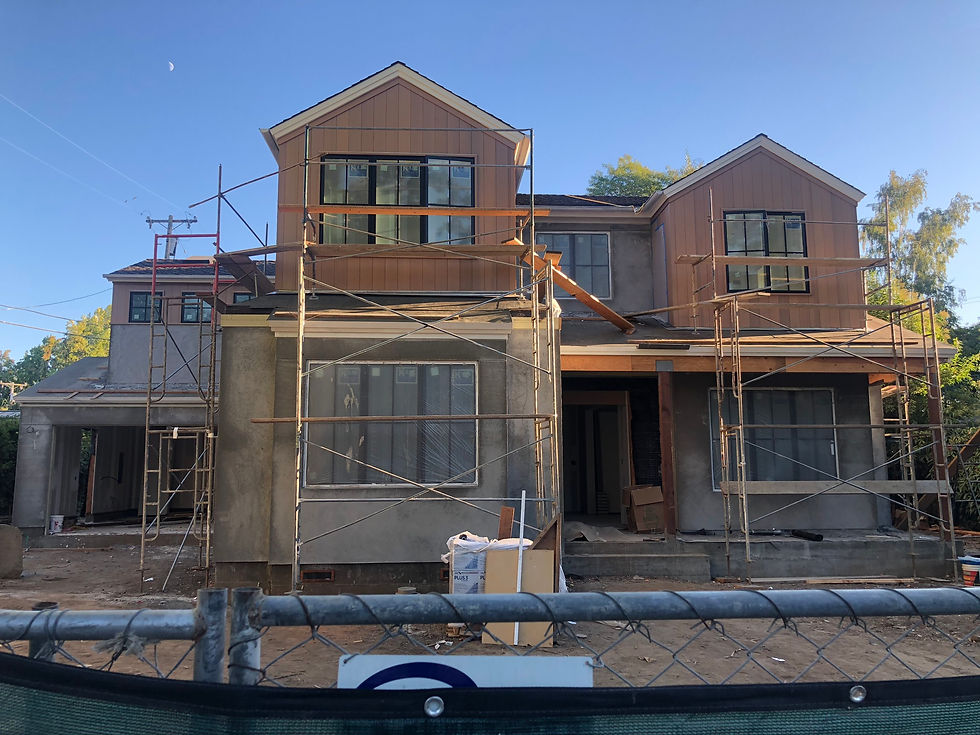
The General Contractor: Building It Right
Your general contractor is responsible for the physical execution of the project — the structure, the systems, and the sequencing that turns plans into a finished home. That includes:
Managing subcontractors (electricians, plumbers, framers, tile setters, and so on)
Pulling permits and coordinating inspections
Sequencing the construction timeline so trades aren't tripping over each other
Ensuring the work meets code and structural requirements
Managing the construction budget and change orders as issues arise on site
A good contractor is a project manager for the physical build. Their expertise is in construction logistics, code compliance, and trade coordination — not in the aesthetic decisions that shape how the finished home actually feels.
The Interior Designer: Deciding What It Becomes
An interior designer is responsible for the vision and the countless decisions that give a home its character — decisions that, left unmade, a contractor has no mandate to make on your behalf. That includes:
Space planning and layout decisions that affect how rooms function
Selecting and specifying every finish: flooring, tile, paint, hardware, fixtures
Furniture, lighting, and window treatment selection
Coordinating how all of those decisions work together as a cohesive whole
Translating a client's taste and lifestyle into concrete specifications a contractor can actually build from
Without a designer, a contractor is building a structurally sound house with no one directing what it should ultimately look or feel like — which is how homeowners end up making rushed, expensive decisions standing in a big box store aisle mid-renovation.
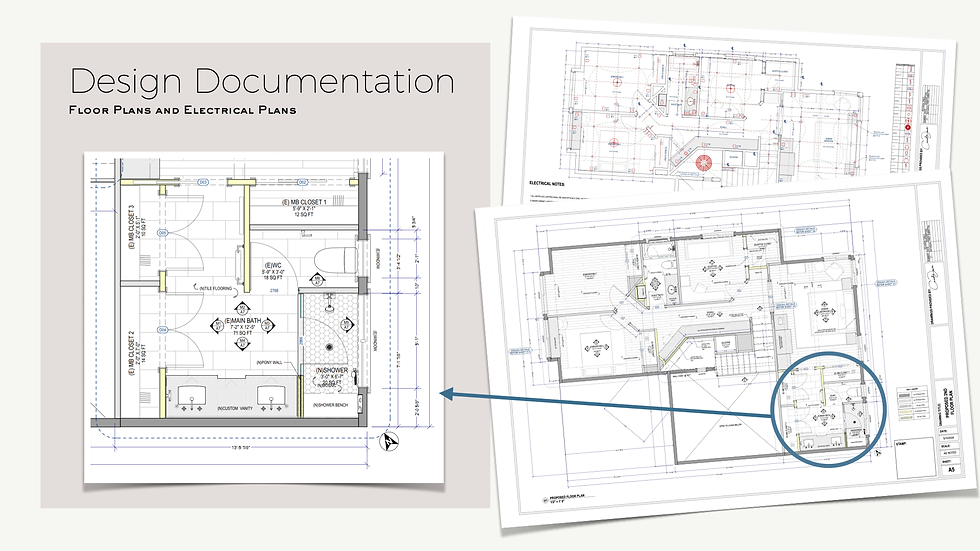
Where the Roles Overlap — and Where Friction Happens
The overlap is real, and it's exactly where projects tend to go sideways without clear coordination. A few common friction points:
Timeline conflicts — a designer specifies a custom item with a 12-week lead time, but the contractor's schedule assumed it would arrive in 4
Budget disconnects — a contractor's construction budget doesn't account for the finish level a designer has planned for
Decision bottlenecks — a contractor needs a tile selection to keep the schedule moving, but the decision is still waiting on the designer and client
Unclear ownership — who's responsible when a fixture doesn't fit the rough-in a contractor already installed?
None of these are failures of either role individually. They're failures of coordination between the two — which is exactly why, on a full-home project, someone needs to be actively managing that handoff rather than assuming it will happen on its own.
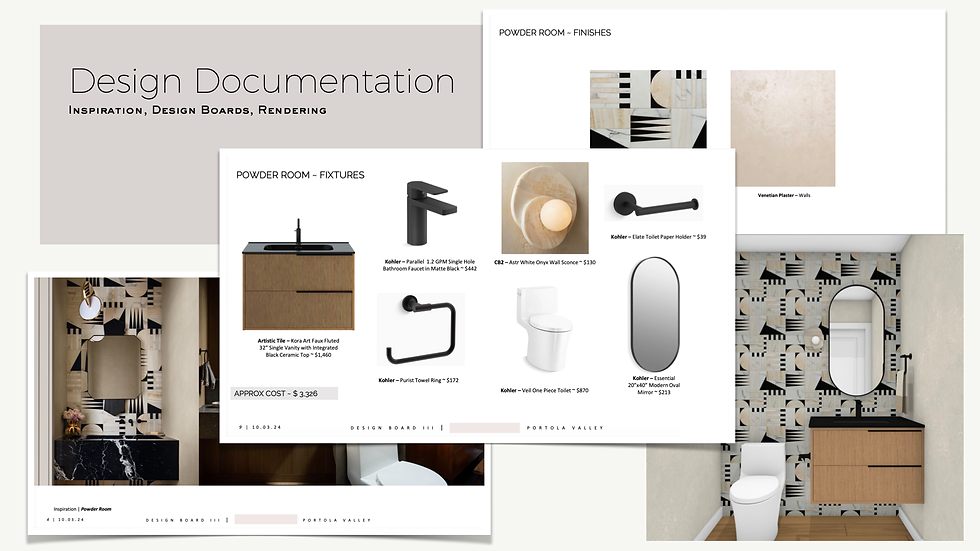
Why This Distinction Matters Before You Hire Anyone
The biggest mistake we see homeowners make is assuming one hire covers both jobs. Contractors are not aesthetic decision-makers, and designers are not construction managers — hiring only one leaves a real gap in your project, one that usually surfaces at the worst possible time: mid-construction, on a deadline, with a decision that can't wait.
The homeowners who have the smoothest full-home renovations are the ones who bring in both roles early, understand what each is actually responsible for, and have a clear picture of how the two will communicate throughout the build.
Let's Talk About Your Project
This is exactly the gap Atelier Aether was built to close. Our team brings years of hands-on project management experience from the construction side, which means we don't just hand off a set of finish selections and hope they translate on site — we understand the sequencing, the trade coordination, and the real-world constraints a contractor is working within, and we design with that context in mind from the start. It's a perspective that comes from having managed construction projects directly, not just designed for them.
If you're trying to figure out what you actually need for your renovation — and how a designer and contractor should work together on it — the best next step is a conversation. We offer a complimentary one-hour design call to walk through your project, your team, and where the gaps might be. [Schedule your complimentary design call →]



Comments