
Why "Quiet Luxury" Is Reshaping High-End Interiors

For years, luxury interiors spoke in a certain vocabulary: statement chandeliers, glossy marble underfoot, a logo-forward confidence that announced itself the moment you walked through the door. That vocabulary hasn't disappeared, but it's no longer the only fluent language of a well-designed home. A quieter dialect has emerged — one that communicates the same level of investment and intention, but through restraint rather than volume.
At Atelier Aether, we've watched this shift closely, because it changes not just what a home looks like, but what a client is really asking for when they say they want something "elevated."

What "Quiet Luxury" Actually Means
The phrase gets used loosely, so it's worth being precise. Quiet luxury isn't minimalism, and it isn't the absence of decoration. It's the redirection of where the investment goes. Instead of spending on visual drama, the budget moves toward material integrity: the way a hand-finished plaster wall catches light differently than a painted one, the weight of a solid brass hardware pull versus a plated one, the drape of a natural linen versus a synthetic blend.
The tell isn't in a single hero piece. It's in the fact that every surface in the room was considered — and most of that consideration is invisible to a casual eye. That's precisely the point.
Why It's Gaining Ground Now
A few forces are converging here. Clients who have built wealth over the past decade are, on average, more design-literate than prior generations — they've seen enough showrooms and enough Instagram feeds to recognize when a room is performing versus when it's simply well made. There's also a broader cultural fatigue with visible excess, echoed in fashion and architecture alike, where the highest compliment has become "I can't tell how much this cost."
For a full-home renovation client in particular, this shows up as a specific kind of brief: they want the home to feel effortless, personal, and calm — while still being unmistakably considered. That's a harder brief to execute than it sounds, because restraint without expertise just reads as unfinished.
Where the Money Actually Goes
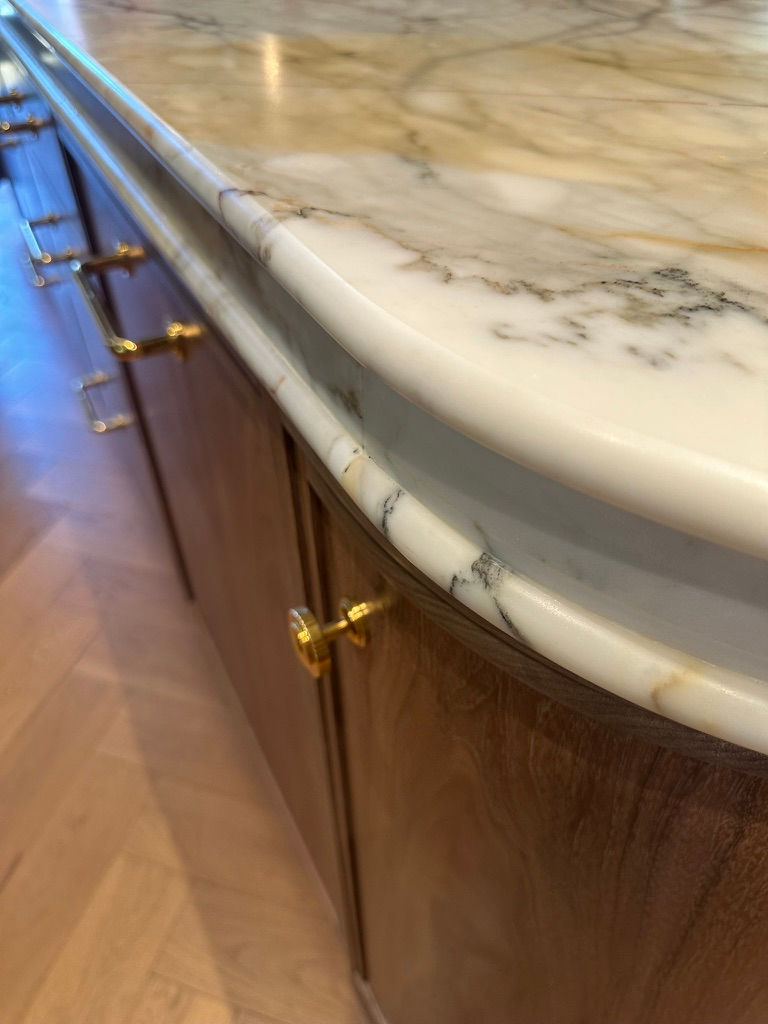
In a quiet luxury home, the budget tends to concentrate in places a homeowner will feel before they'll consciously notice:
Materials over ornamentation — natural stone, plaster, and solid wood in place of applied finishes and decorative trim
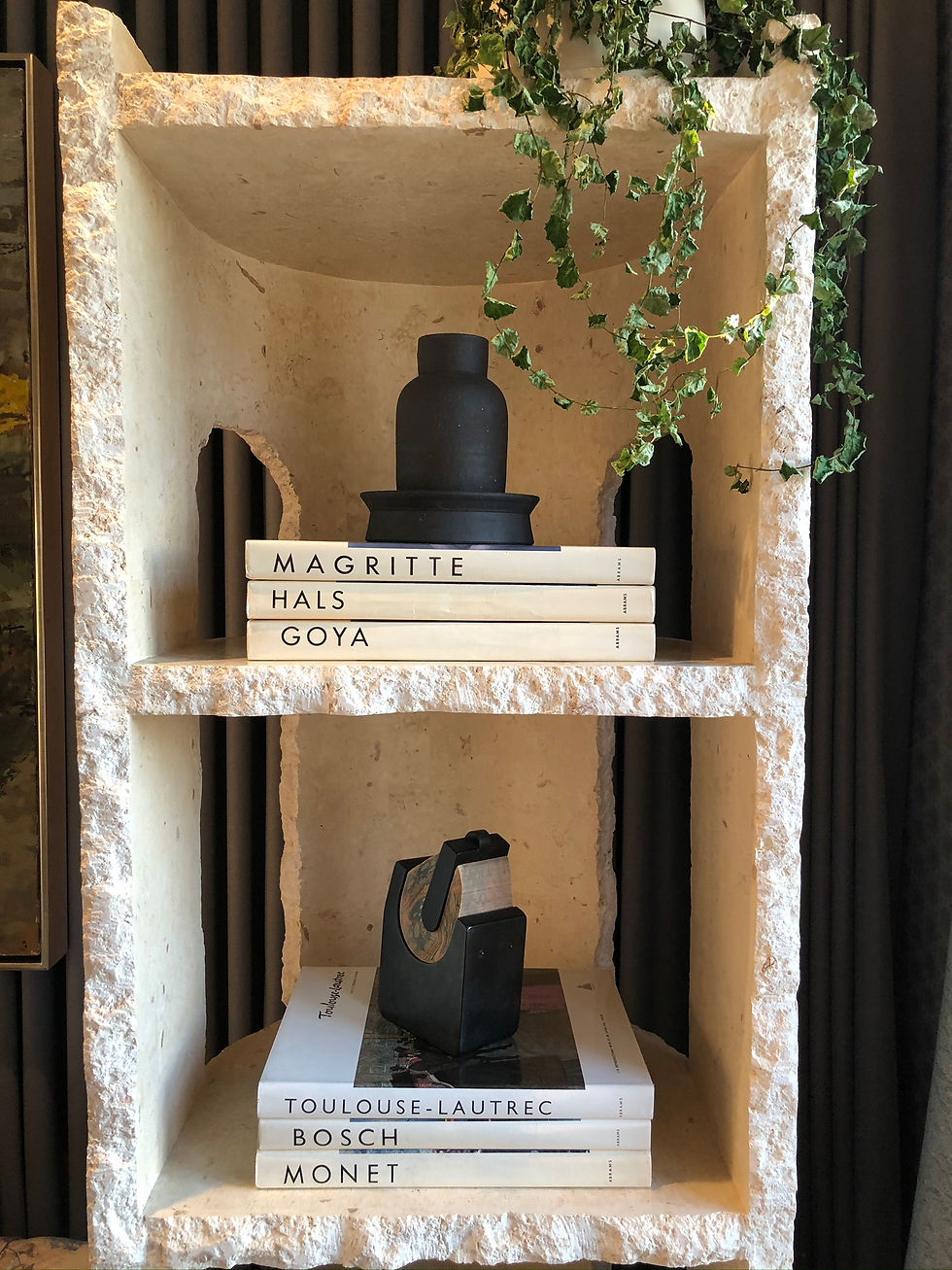
Millwork and built-ins that are proportioned to the room rather than added as an afterthought
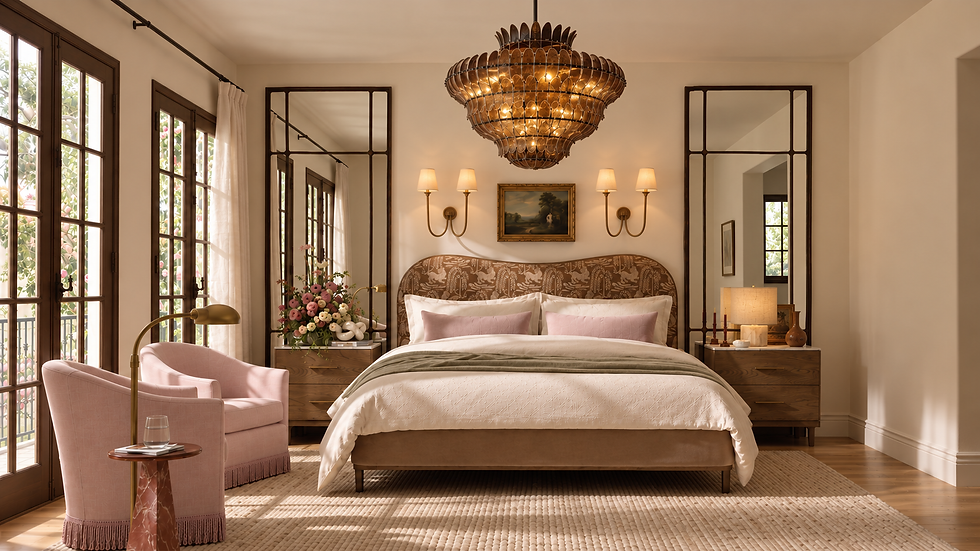
Textiles — the weight and hand-feel of upholstery and drapery, which is where a room reads as considered or generic
Lighting layered for mood, not just for a single dramatic fixture
Hardware and fittings in solid materials that will patina rather than wear out
None of this reads as "more" in photographs the way a chandelier does. It reads as "right" when you're standing in the room.
The Discipline This Requires
This is, frankly, a harder aesthetic to design toward than a maximalist one. When a space has fewer visual moves, every remaining decision carries more weight — there's no busy pattern or oversized fixture to distract from a proportion that's slightly off or a material that doesn't quite belong. Quiet luxury rewards a level of editing and restraint that takes real discipline to hold onto through a full renovation, especially once construction is underway and dozens of small decisions are competing for attention.
It's also why this approach tends to suit full-home projects particularly well. A single quiet-luxury room can look accidental. A whole home designed this way reads as intentional — which is really the entire point.
Is It Right for Your Home?
Quiet luxury isn't a style to copy so much as a set of priorities to adopt: fewer decisions, made more carefully; investment concentrated in what you'll feel rather than what you'll photograph; restraint that reads as confidence rather than absence.
If that's the feeling you're after for your own home, it's worth having a conversation before the first material decision gets made — because in this approach, the early choices are the ones that determine whether the rest of the home holds together.
Let's Talk About Your Home
If quiet luxury is the direction you're drawn to, the best next step is a conversation — not a Pinterest board. We offer a complimentary one-hour design call to talk through your space, your priorities, and whether this approach is the right fit for your home. [Schedule your complimentary design call →]


Comments